The Evolution of Beauty Standards in Brazil: A Historical Perspective Beauty standards in Brazil have evolved significantly over the centuries, shaped by a tapestry of indigenous cultures, E.

“The Evolution of Beauty Standards in Brazil: A Historical Perspective”.

Updated: March 14, 2026
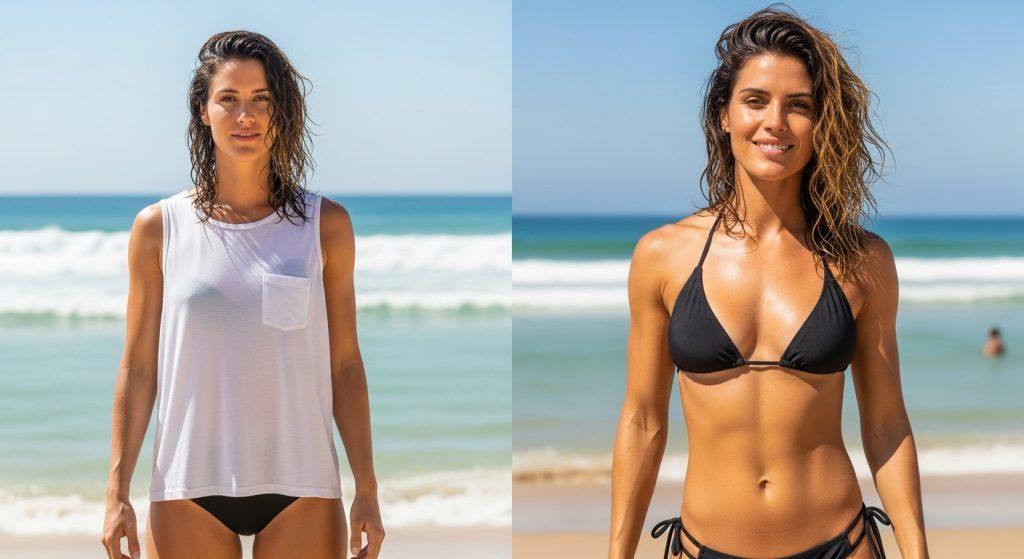
The Evolution of Beauty Standards in Brazil: A Historical Perspective
Beauty standards in Brazil have evolved significantly over the centuries, shaped by a tapestry of indigenous cultures, European influences, and contemporary globalization. This dynamic evolution is not only a reflection of Brazil’s rich cultural diversity but also a testament to its social and economic transformations. In this blog post, we will explore the historical journey of beauty standards in Brazil, examining how they have been influenced by various factors over time.
Indigenous Influences: The Foundation of Brazilian Beauty
Before the arrival of European colonizers, Brazil was home to a myriad of indigenous tribes, each with its own distinct beauty ideals. For many indigenous groups, beauty was closely intertwined with health, fertility, and social status. Adornments such as body paint, feathers, and intricate beadwork were not only decorative but also held cultural and spiritual significance.
Indigenous beauty practices often included the use of natural resources available in the Amazon rainforest. For example, the Urucum plant was commonly used to create vibrant red body paint, symbolizing strength and vitality. These traditional practices laid the foundation for a unique beauty culture that continues to influence Brazilian aesthetics today.
The Colonial Era: European Influences and Miscegenation
With the arrival of Portuguese colonizers in the 16th century, European beauty standards began to permeate Brazilian society. The colonizers brought with them ideals that favored fair skin, delicate features, and elaborate European fashion. This shift in beauty norms was further complicated by the widespread practice of miscegenation, which created a diverse population with mixed heritage.

During the colonial era, beauty standards became a symbol of social hierarchy and power. Light skin and European features were often associated with the elite, while darker skin tones were marginalized. This period marked the beginning of a complex relationship between race and beauty in Brazil, a theme that continues to resonate in contemporary society.
20th Century: The Rise of Brazilian Icons
As Brazil transitioned into the 20th century, the nation began to develop its own unique identity, distinct from its colonial past. This era saw the emergence of Brazilian icons who redefined beauty standards on both a national and international stage. Figures such as Carmen Miranda, with her vibrant costumes and charismatic presence, showcased a blend of traditional Brazilian and modern influences.
The mid-20th century also witnessed the rise of the Carnival culture, which celebrated diverse beauty through elaborate parades and festivities. This period was marked by a growing acceptance of different body types and skin tones, challenging the Eurocentric ideals that had dominated for so long.
Contemporary Beauty Standards: Embracing Diversity
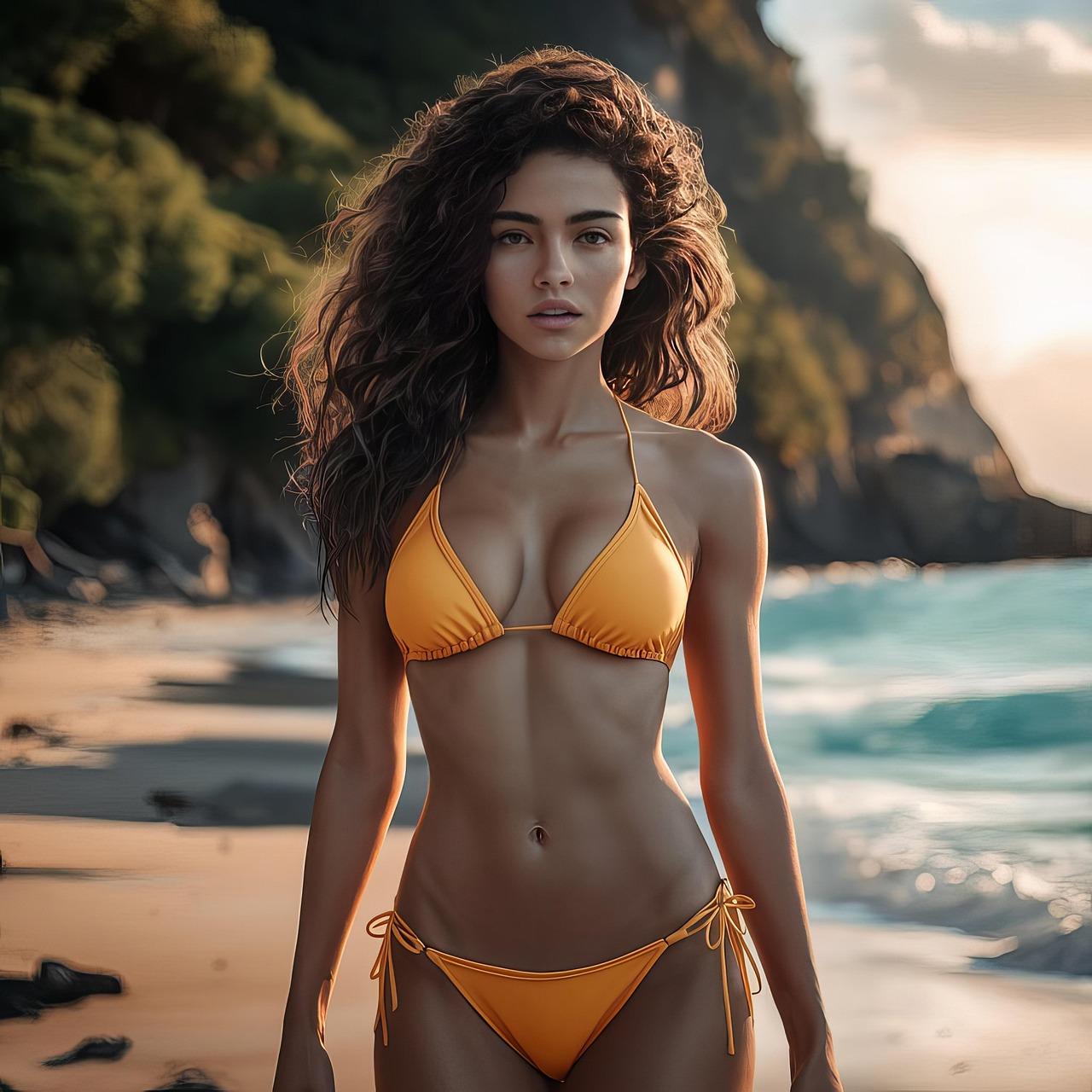
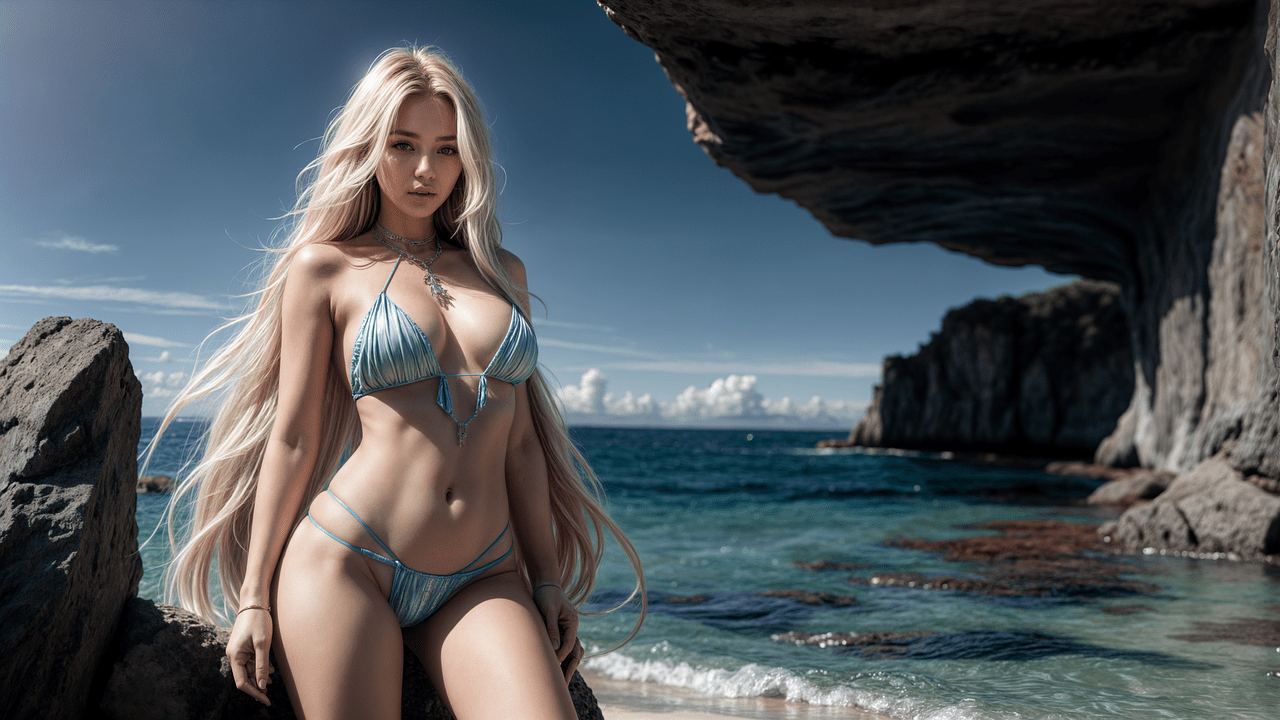
In recent decades, Brazil has become a global leader in the beauty and fashion industries, with its standards influencing trends worldwide. Brazilian models like Gisele Bündchen have achieved international acclaim, embodying a modern ideal that combines both local and global influences. This new standard celebrates tanned skin, athletic builds, and natural beauty, reflecting Brazil’s diverse cultural heritage.
Moreover, the contemporary Brazilian beauty industry has embraced the country’s diversity by promoting inclusivity and representation. Brands are increasingly focusing on creating products that cater to a wide range of skin tones and hair types, challenging traditional norms and celebrating the beauty of all Brazilians.
Beauty and Socioeconomic Factors
Throughout its history, Brazil’s beauty standards have been closely linked to socioeconomic factors. The correlation between beauty and social status is evident in the rise of cosmetic procedures and the burgeoning beauty industry, which is among the largest in the world. Access to beauty treatments and products often reflects one’s social and economic standing, highlighting the ongoing complexities of beauty and class in Brazil.
Furthermore, the influence of media and advertising has played a pivotal role in shaping modern beauty ideals. From television to social media, Brazilians are constantly bombarded with images that promote certain beauty standards, impacting self-perception and societal expectations.
The Role of Afro-Brazilian Culture
Afro-Brazilian culture has significantly contributed to the evolution of beauty standards in Brazil. The celebration of Afro-Brazilian beauty is evident in traditional dances like the Samba, which highlights the strength and grace of its dancers. The natural hair movement has also gained momentum, encouraging Afro-Brazilians to embrace their natural hair textures and reject Eurocentric beauty norms.
Events such as Afro Fashion Week in São Paulo further promote the visibility and appreciation of Afro-Brazilian beauty, showcasing designs that celebrate African heritage and its influence on Brazilian culture.
Conclusion: The Ever-Changing Landscape of Beauty in Brazil
The evolution of beauty standards in Brazil is a complex journey that reflects the nation’s diverse cultural tapestry and historical transformations. From indigenous roots to colonial influences and contemporary global trends, Brazilian beauty has continually adapted and redefined itself. Today, Brazil stands as a symbol of diversity and inclusivity, embracing a wide spectrum of beauty that celebrates its rich cultural heritage.
As we move forward, it is essential to continue challenging and expanding beauty norms, ensuring that they reflect the true diversity of Brazilian society. By doing so, Brazil can continue to inspire and influence global beauty standards, showcasing the power and beauty of its multicultural identity.
For further reading on the influence of Brazilian culture, explore this National Geographic article that delves into Brazil’s vibrant cultural landscape.
The focus on inclusivity and diversity within Brazil’s beauty industry is not only a reflection of its cultural richness but also a progressive step toward breaking down barriers that have traditionally marginalized certain groups. By promoting a more inclusive definition of beauty, Brazil is paving the way for a global understanding that beauty is not a monolith but a dynamic spectrum that evolves and adapts with society.
The Impact of Globalization on Brazilian Beauty Standards
Globalization has played a significant role in shaping modern beauty standards in Brazil. The exchange of cultural ideas and aesthetics has introduced new trends and products into the Brazilian market, influencing how beauty is perceived and celebrated. The rise of international beauty brands and the accessibility of global media have allowed Brazilians to explore a variety of beauty practices and styles from around the world.
However, globalization also poses challenges by sometimes pressuring local cultures to conform to international standards. Despite this, Brazil has managed to maintain a balance, integrating global influences while preserving its unique cultural identity. This balance is evident in the popularity of Brazilian beauty treatments such as the Brazilian blowout and the increasing demand for locally-sourced, sustainable beauty products.
The Role of Social Media in Shaping Beauty Ideals
Social media platforms have become powerful tools for shaping beauty standards in Brazil. Influencers and beauty bloggers have significant sway over public perceptions of beauty, often setting trends and promoting products. This democratization of beauty allows for a more diverse representation of beauty ideals, as individuals from all backgrounds can share their personal styles and preferences.
The impact of social media is particularly notable among younger generations, who are more inclined to challenge traditional beauty norms and advocate for authenticity and self-expression. Campaigns promoting body positivity and the celebration of natural beauty have gained traction, encouraging individuals to embrace their unique features rather than conforming to a singular ideal.
Environmental and Ethical Considerations
As awareness grows around environmental and ethical issues, the Brazilian beauty industry is increasingly focusing on sustainable and ethical practices. Many brands are committing to eco-friendly packaging, cruelty-free products, and ethical sourcing of ingredients, aligning with the global movement towards responsible consumerism.
Brazil’s rich biodiversity offers a wealth of natural resources that are being utilized in the production of sustainable beauty products. Ingredients like açaí, cupuaçu, and Brazil nuts are not only beneficial for skincare but also support local communities and promote the conservation of the Amazon rainforest. These initiatives highlight the intersection of beauty and environmental stewardship, reflecting a growing trend towards conscious consumerism.
Looking Ahead: The Future of Beauty Standards in Brazil
The future of beauty standards in Brazil is poised to be one of continued evolution and diversity. As the country embraces its multifaceted cultural identity, beauty ideals will likely expand to become even more inclusive and representative of all Brazilians. The ongoing dialogue around race, gender, and identity will continue to shape these standards, fostering an environment where all forms of beauty are celebrated.
Moreover, technological advancements and innovations in the beauty industry will likely introduce new possibilities for customization and personalization, allowing individuals to tailor beauty products and routines to their specific needs and preferences. This shift towards individualized beauty reflects a broader trend of empowerment and self-expression, encouraging people to define beauty on their own terms.
For those interested in exploring more about the cultural influences on Brazilian beauty, consider visiting this comprehensive guide to Brazil’s cultural landscape, which offers insights into its rich heritage and contemporary trends.
Ultimately, the evolution of beauty standards in Brazil is a testament to the country’s resilience and adaptability. By celebrating its diverse heritage and embracing change, Brazil continues to redefine beauty in a way that resonates both locally and globally, inspiring a more inclusive and appreciative understanding of what it means to be beautiful.
Read More
Posts not found
Sorry, no other posts related this article.
Best Dating Sites

Offers an easy-to-navigate platform that makes online dating stress-free.

Video date feature available. Access to dating advice articles and blog posts.

Reputation for finding love, not just hookups. The free version works great.

Offers an easy-to-navigate platform that makes online dating stress-free.
Top Profiles

Dating Tips