The Evolution of Swimsuit Fashion: A Look at Iconic Swimsuit Beauties Through the Decades Swimsuit fashion has undergone a fascinating evolution, mirroring the societal shifts and cultural t.

“The Evolution of Swimsuit Fashion: A Look at Iconic Swimsuit Beauties Through the Decades”

Updated: March 14, 2026
The Evolution of Swimsuit Fashion: A Look at Iconic Swimsuit Beauties Through the Decades
Swimsuit fashion has undergone a fascinating evolution, mirroring the societal shifts and cultural transformations of the past century. From the modest one-pieces of the early 1900s to the bold bikinis of the new millennium, swimsuits have not only been a reflection of style but also a statement of empowerment and liberation. This post delves into the iconic swimsuit beauties that have defined each era, highlighting their influence on fashion and society.
The Early 1900s: Modesty and Functionality
In the early 20th century, swimsuits were designed with modesty in mind. Women wore full-body suits made from wool or flannel, which were anything but practical for swimming. These garments often weighed down the wearer, making swimming a cumbersome task. During this era, swimwear history was more about modesty than fashion or function.
One of the most iconic figures of this era was Annette Kellerman, an Australian professional swimmer and actress. She defied societal norms by wearing a one-piece swimsuit that exposed her arms and legs, leading to her arrest for indecent exposure. Her boldness paved the way for more practical swimwear designs and earned her a place in history as a pioneer of modern swimwear.
The 1940s and 1950s: The Rise of Glamour
The 1940s and 1950s marked a significant turning point in swimsuit fashion. The introduction of nylon and elastic materials allowed for more form-fitting designs, and swimsuits became a symbol of Hollywood glamour. Pin-up girls like Betty Grable and Marilyn Monroe popularized the high-waisted bikini, which accentuated the hourglass figure and became synonymous with the era’s beauty standards.

During this time, swimsuits began to be featured prominently in movies and magazines, further cementing their status as fashion staples. Esther Williams, a famous swimmer and actress, became known for her glamorous swim routines in films. Her influence was such that swimwear designs from this period are often referred to as “Esther Williams swimsuits.”
The 1960s and 1970s: The Bikini Revolution
The 1960s and 1970s were revolutionary in terms of both fashion and societal norms. The bikini, initially introduced in 1946 by French designer Louis Réard, gained widespread acceptance and popularity during this time. The feminist movement and a growing emphasis on individual freedom contributed to the bikini’s success.
In 1962, Ursula Andress emerged from the sea in a white bikini in the James Bond film “Dr. No,” creating one of the most iconic moments in cinematic history. Her portrayal became a defining image of the era and catapulted the bikini into popular culture. The history of the bikini is forever linked to this unforgettable moment.
The 1970s saw the rise of the string bikini, which offered even less coverage and more freedom. Celebrities like Farrah Fawcett became icons of this era, with her famous red swimsuit poster becoming a symbol of the decade’s liberated spirit.
The 1980s: Athleticism and Bold Colors
The 1980s were characterized by a focus on health and fitness, which was reflected in swimsuit fashion. High-cut one-pieces and bikinis with bold colors and geometric patterns became popular. This era celebrated athletic bodies, and swimsuits were designed to highlight toned physiques.
Elle Macpherson, known as “The Body,” epitomized the 1980s swimsuit ideal. Her modeling career and numerous appearances on the cover of “Sports Illustrated Swimsuit Issue” solidified her status as an iconic swimsuit beauty. The magazine itself became a cultural phenomenon, showcasing the latest trends in swimwear.
The 1990s and 2000s: Minimalism and Diversity
The 1990s introduced a more minimalist approach to swimwear, with simple designs and muted colors gaining popularity. Supermodels like Cindy Crawford and Naomi Campbell dominated the fashion scene, bringing a new level of glamour and sophistication to swimsuits.

The early 2000s saw a shift towards diversity and inclusivity in swimsuit fashion. Designers began to cater to a wider range of body types, and models of varied ethnicities and sizes were featured in mainstream media. Swimsuit fashion became more about personal expression than adhering to a singular ideal.
The influence of pop culture was evident, with icons like Britney Spears and Jennifer Lopez setting trends with their bold swimwear choices. The evolution of swimwear during this period was marked by a blend of styles from previous decades, creating a unique fusion of past and present.
The 2010s and Beyond: Innovation and Empowerment
The past decade has seen remarkable innovations in swimsuit design, with a focus on sustainability and technology. Brands are embracing eco-friendly materials and advanced fabrics that offer UV protection and enhanced comfort. The rise of social media has also transformed how swimwear is marketed and perceived, with influencers playing a significant role in shaping trends.
Today, swimsuit fashion celebrates body positivity and self-expression. Models like Ashley Graham and Winnie Harlow have become icons of this movement, challenging traditional beauty standards and promoting inclusivity. The current state of swimwear is a testament to the industry’s adaptability and commitment to diversity.
Conclusion: A Reflection of Society
The evolution of swimsuit fashion is more than just a chronicle of changing styles; it is a reflection of societal values and cultural shifts. From the modesty of the early 1900s to the empowerment and diversity of today, swimsuits have been at the forefront of fashion innovation and social change. As we look to the future, it is clear that swimsuit fashion will continue to evolve, adapting to new trends and technologies while celebrating the unique beauty of every individual.
Future Trends in Swimsuit Fashion

As we look ahead, the future of swimsuit fashion is filled with exciting possibilities. Designers are increasingly focusing on creating multifunctional swimwear that can transition seamlessly from the beach to other settings. This trend towards versatility is not only practical but also aligns with the modern consumer’s desire for sustainability and minimalism.
Technological advancements continue to revolutionize the industry. The development of smart fabrics that regulate temperature, repel water, and provide enhanced UV protection is at the forefront of innovation. Moreover, 3D printing technology offers the potential for bespoke swimwear tailored to an individual’s unique measurements, further personalizing the swimwear experience.
Inclusivity remains a key focus, with brands exploring a wider range of sizes, skin tones, and adaptive designs for individuals with disabilities. The emergence of gender-neutral swimwear is also gaining traction, reflecting a broader societal shift towards embracing all identities.
The Cultural Impact of Swimsuit Icons
Swimsuit icons have played a pivotal role in shaping not only fashion but also cultural narratives. Their influence extends beyond the garments they wear, often sparking conversations about beauty standards, body image, and empowerment. These figures challenge norms and inspire change, using their platforms to advocate for a more inclusive and equitable fashion industry.
From the early trailblazers like Annette Kellerman, who championed practical swimwear, to modern-day influencers who celebrate diverse body types and backgrounds, these icons continue to drive the evolution of swimwear. Their impact is evident in the growing acceptance and celebration of all forms of beauty.
Swimsuit Fashion as a Form of Art
Swimsuit fashion has increasingly been viewed as a form of art, with designers pushing creative boundaries to craft pieces that are both aesthetically pleasing and functional. High-fashion swimwear collections are now a staple at major fashion weeks, showcasing intricate designs and innovative techniques.
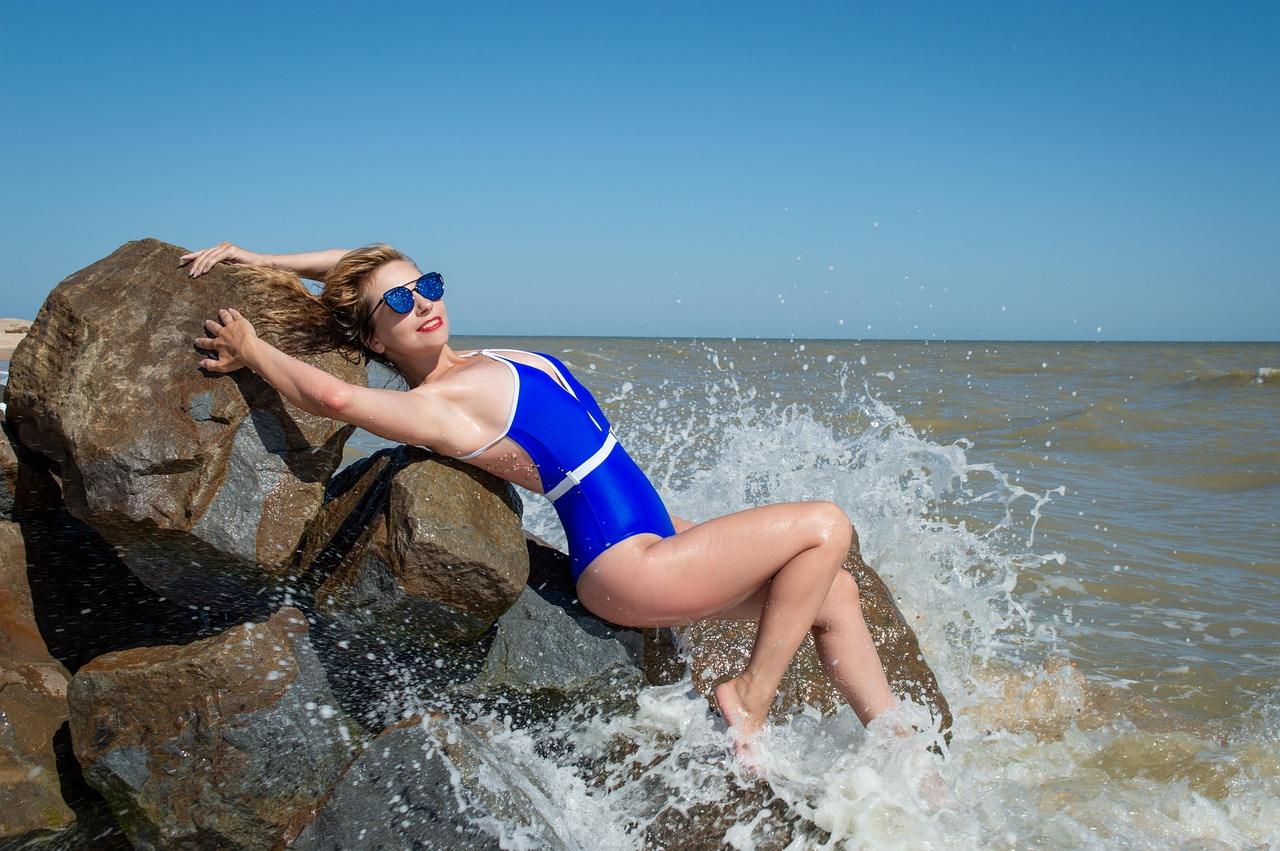
The intersection of fashion and art in swimwear is also evident in collaborations between designers and artists, resulting in unique pieces that blur the lines between clothing and art. These collaborations often highlight cultural themes, historical references, and contemporary issues, adding depth and meaning to the garments.
Conclusion: Celebrating Diversity and Innovation
The journey of swimsuit fashion is a testament to the industry’s resilience and adaptability. As we celebrate the diverse array of swimsuits and the iconic beauties who have worn them, it’s clear that the future holds even more promise. With a commitment to innovation, inclusivity, and sustainability, the evolution of swimsuit fashion continues to inspire and empower individuals around the world.
Through the lens of history, we see how swimsuits have been more than mere garments—they have been powerful symbols of change, reflecting the aspirations and ideals of each generation. As we look to the future, the enduring legacy of swimsuit fashion and its icons will undoubtedly continue to shape and define our cultural landscape.
The Role of Media in Swimsuit Fashion
Media has played a crucial role in the evolution and popularization of swimsuit fashion. From the early days of photography to the digital age, media platforms have been instrumental in showcasing the latest trends and iconic figures in swimwear. Magazines, television, and now social media have been the primary vehicles for disseminating swimsuit culture to a global audience.
Magazines like “Sports Illustrated” have been pivotal in setting trends and elevating models to superstar status. The annual Sports Illustrated Swimsuit Issue has become iconic in its own right, celebrating diverse body types and featuring models from all walks of life. This platform has been instrumental in challenging traditional beauty standards and promoting body positivity.

In the digital era, social media platforms like Instagram have transformed how swimsuit fashion is consumed and perceived. Influencers can reach millions of followers, promoting not only the latest styles but also advocating for inclusivity and sustainability in fashion. This democratization of fashion media allows for a more diverse range of voices and styles to be seen and celebrated.
Sustainability in Swimsuit Fashion
As environmental awareness grows, the fashion industry is increasingly focusing on sustainability, and swimwear is no exception. Brands are exploring eco-friendly materials such as recycled nylon, organic cotton, and biodegradable fabrics to reduce the environmental impact of swimsuit production. These materials are not only better for the planet but also offer high performance and comfort.
Innovative companies are also implementing ethical manufacturing practices, ensuring fair wages and safe working conditions for their workers. By prioritizing transparency in their supply chains, these brands are paving the way for a more sustainable future in fashion.
Consumer demand for sustainable swimwear is on the rise, with many shoppers seeking brands that align with their values. This shift is encouraging more companies to adopt sustainable practices, further driving the industry’s evolution toward a more environmentally conscious future.
Conclusion: A Dynamic Future for Swimsuit Fashion
The evolution of swimsuit fashion is a dynamic journey that continues to unfold. As societal values evolve and technology advances, swimwear will undoubtedly adapt to meet new demands and challenges. The future of swimsuit fashion is poised to be one of creativity, sustainability, and inclusivity, reflecting the diverse and interconnected world we live in.
Through the lens of history, we see how swimsuits have been powerful symbols, not just of style but of broader cultural and social movements. As we move forward, the ongoing dialogue between fashion, culture, and society will ensure that swimsuit fashion remains a vibrant and relevant part of our lives.
Ultimately, swimsuit fashion is about more than just what we wear to the beach or pool; it’s a celebration of individuality, creativity, and the ever-changing nature of beauty and style. With each new trend and innovation, we are reminded of the transformative power of fashion and its ability to inspire and empower us all.
Read More



Best Dating Sites

Offers an easy-to-navigate platform that makes online dating stress-free.

Video date feature available. Access to dating advice articles and blog posts.

Reputation for finding love, not just hookups. The free version works great.

Offers an easy-to-navigate platform that makes online dating stress-free.
Top Profiles



Dating Tips